
Kingfisher
A small dog, a big sky, and the kind of love that outlives its owner's grief.

Giles Laurent · CC BY-SA 4.0
Kingfisher is a 2023 song by Zach Bryan that serves as a tender, aching tribute to a beloved dog. In the broader tapestry of Bryan's songwriting—where loss, loyalty, and the quiet ache of rural American life recur like a refrain—Kingfisher stands as one of his most intimate portraits of a bond that transcends the human world. The title evokes both the small, iridescent bird and the dog it names, turning a humble companion into something mythic in the singer's memory. The song occupies a place in Bryan's catalog where the grand themes of heartbreak and displacement narrow into something smaller and more personal: the grief of losing a creature that simply loved you back, unconditionally. It is a song fans often describe as the one that makes them cry in the parking lot after a show, a reminder that the biggest losses aren't always the loudest.
- Artist
- Zach Bryan
- Genre
- Folk / Country
- Release year
- 2023
- Primary theme
- Grief, loyalty, and the loss of a beloved pet
- Tone
- Intimate, melancholic, reverent
Lore & Background
In the world Zach Bryan builds across his recordings, the landscape is vast and the people are small, and the things that matter most are often the least conspicuous. Kingfisher fits squarely into that grammar. The song does not reach for epic imagery; instead it lingers on the specific, the tactile—the weight of a dog's head on a boot, the particular way an animal waits by a door, the silence that follows when that waiting stops. It is a eulogy written in the key of a porch light left on for no one. Musically, the track carries the hallmarks of Bryan's sound: a stripped-back acoustic foundation, a vocal delivery that sits somewhere between a sung line and a spoken confession, and a structure that feels less composed than remembered. The production leaves room for breath, for the small pauses where the singer is clearly remembering rather than performing. In the context of a catalog that includes anthems about Nashville, about Texas, about the weight of a name—Kingfisher is the quiet counterweight, the song that says the smallest loss can be the one that rearranges everything. Fans have embraced the track as a touchstone for their own experiences of pet loss, and it has become a kind of unofficial anthem for the dog-people in Bryan's audience. In live settings, it often lands in the middle of a set, a softer moment between the bigger songs, and the crowd tends to go still in a way that feels almost sacred.
In Their Own Story
The porch light was still on. It was always on, because someone had to come home, and the gold-and-white dog used to press her whole body against the screen door, tail thumping a slow metronome against the glass. Now the glass was just glass. The yard stretched out under a sky so wide it made the house look like a smudge. He sat on the step with his boots off, one hand in the dirt where the dog used to dig for nothing, and the evening smelled like cut grass and the particular warm-metal smell of a day that had been too long. Somewhere a truck rolled down the county road, and the sound of it was the closest thing to a voice he'd hear all night. He didn't turn the porch light off. He never did, not that night, and not the next.
Reader's Guide
Zach Bryan has spoken in interviews and on social media about the central role his dogs play in his daily life, particularly during the long stretches of touring and the quieter months back in Tulsa, Oklahoma. The rural Oklahoma landscape that anchors much of his songwriting is a place where a dog is not a pet but a working companion, a constant, a small warm anchor in a life that is otherwise a series of airports, hotel rooms, and stages. Kingfisher emerged from that world. Bryan has described the songwriting process as often reactive—something happens, a feeling accumulates, and the words come out in a single late-night pass rather than through revision. The song sits alongside other tracks in his catalog that deal with loss and loyalty, but its subject is deliberately small, deliberately domestic, which is what makes it hit so hard in a discography that also tackles fame, addiction, and the American South. For fans, the song's power lies in its refusal to grandstand. It does not ask you to feel something enormous. It asks you to remember the specific weight of a particular animal's head on your knee, and whether you have a dog or never have, that request is universal.
Did You Know?
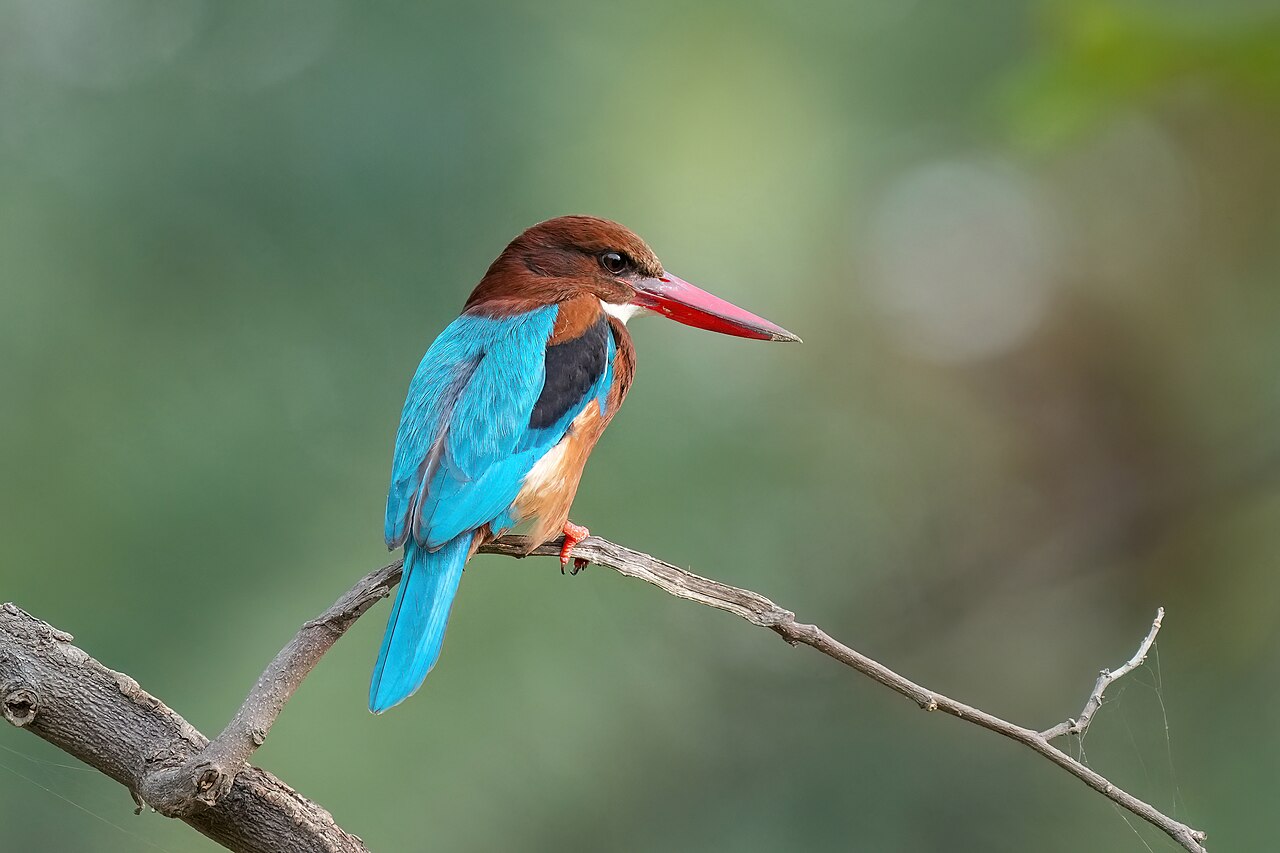
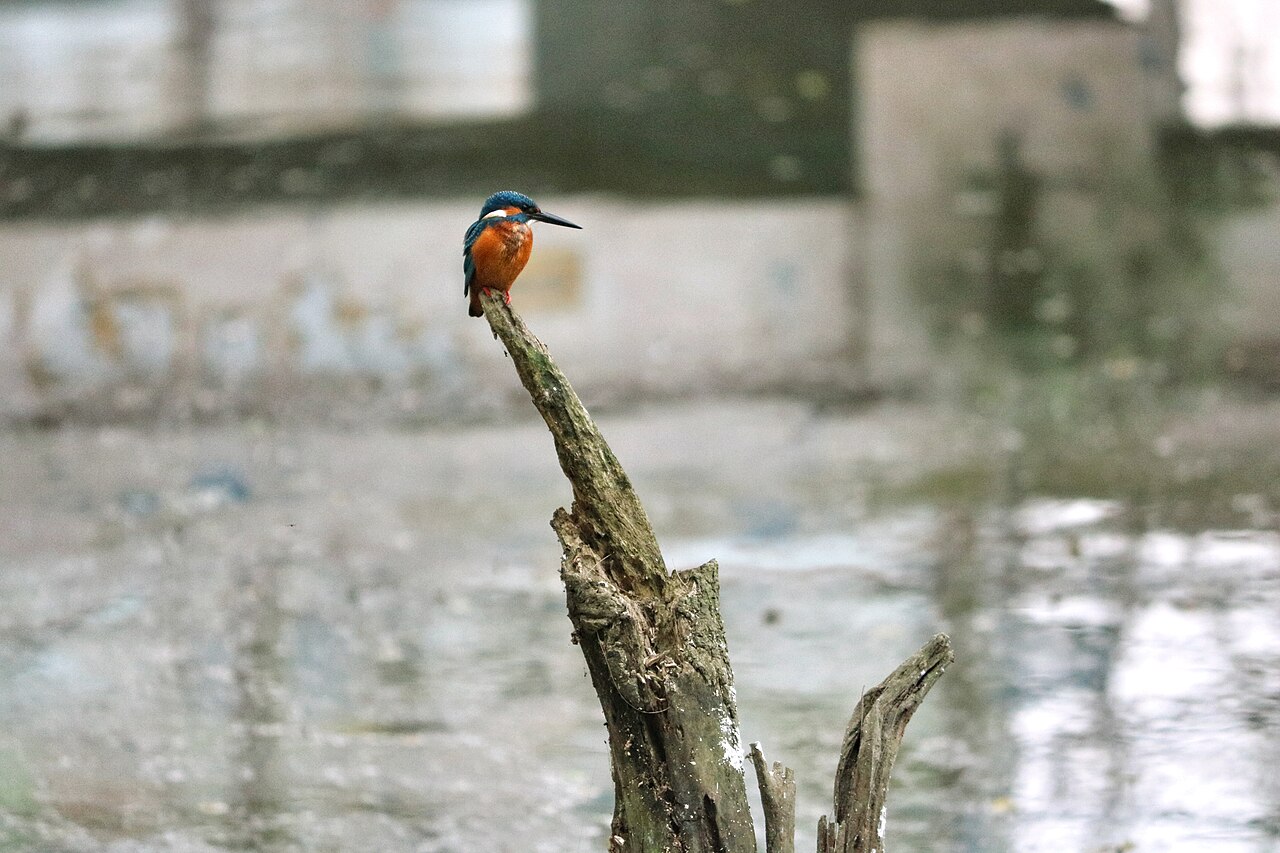
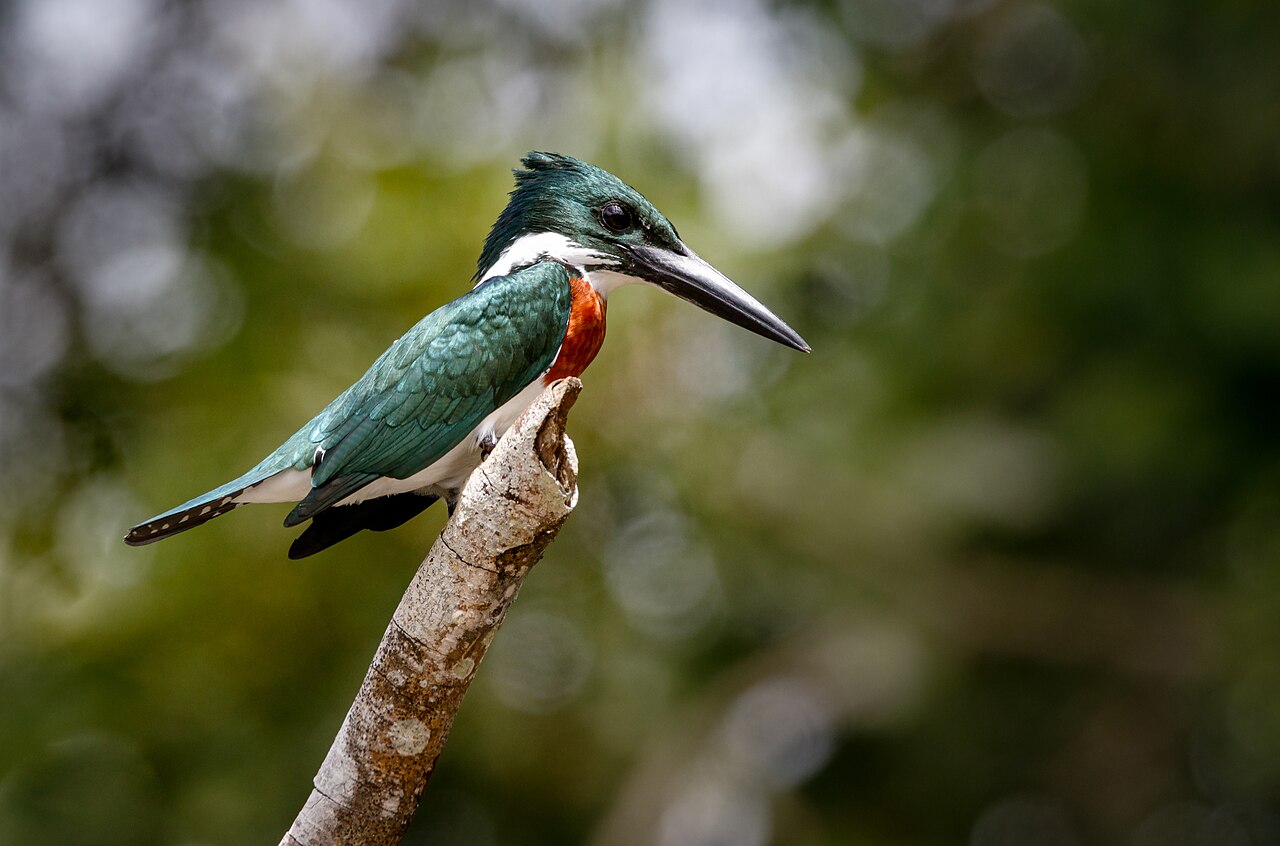
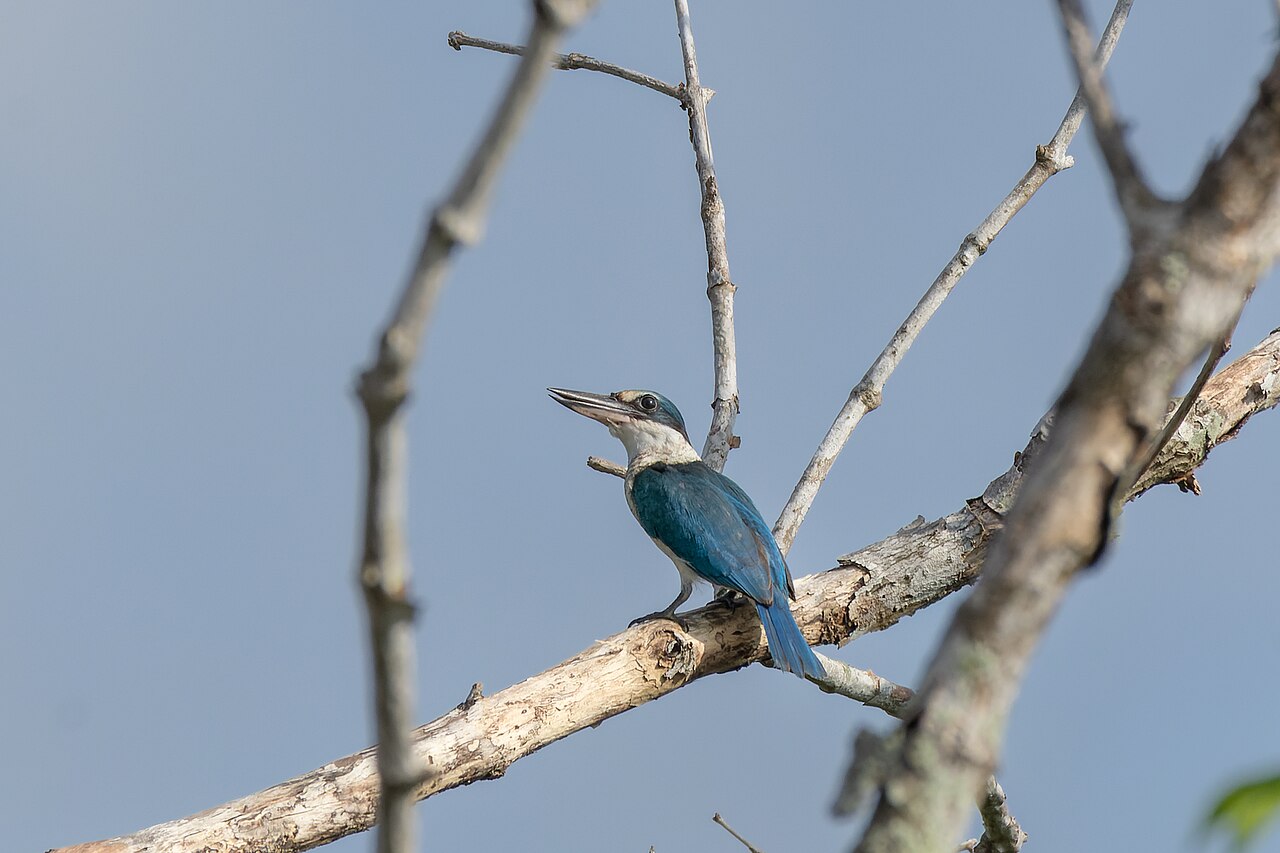
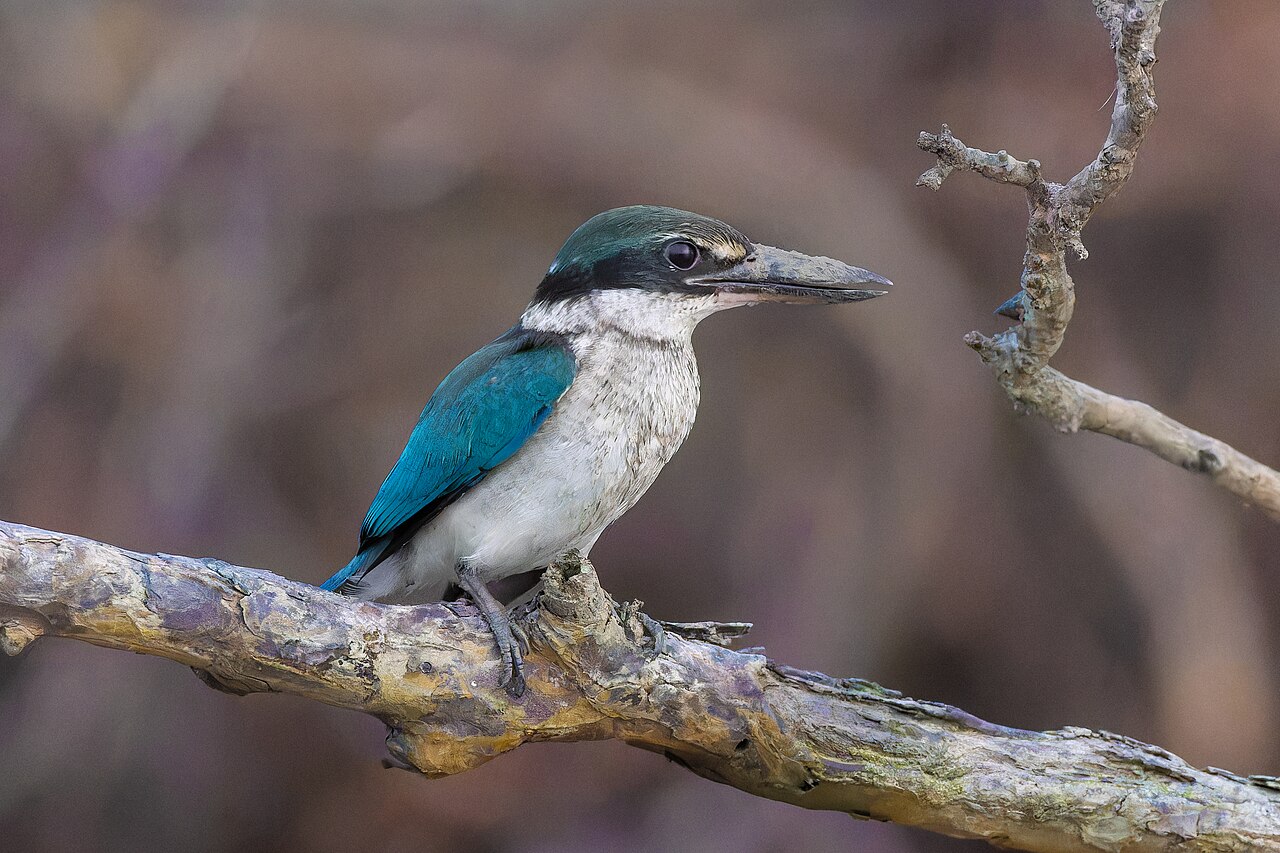
- The song's title references the kingfisher, a small bird known for its iridescent blue-and-orange plumage, but in Bryan's world it is the name of a dog, turning a wild creature into a household companion.
- Kingfisher is frequently cited by fans as the track that best captures the 'quiet grief' side of Bryan's songwriting, as opposed to the more anthemic or confrontational material in his catalog.
- The song's stripped-back, almost spoken-word vocal delivery is consistent with Bryan's preference for minimal production, often recording vocals in a single or double take to preserve the raw, unpolished quality.
- In live performances, Kingfisher typically lands as a softer mid-set moment, and audiences are known to go notably quiet—a contrast to the louder, more participatory energy of his bigger tracks.
League Composition & Qualification Path
The 2016–17 England Korfball League brought together exactly eight clubs for its regular-season campaign. The field was assembled through a straightforward qualification route: the six highest-finishing sides from the previous 2015–16 campaign carried over directly, while the remaining two spots were decided through a promotion-and-relegation play-off at the end of that earlier season. Once the eight were set, the competition unfolded across fourteen scheduled game-weeks, giving each club a full slate of fixtures before the season culminated in a dedicated final-stages phase. Trojans KC entered the campaign as the reigning champions, having claimed the title the year before, which placed them among the qualified six. The structure ensured that every team had multiple opportunities to shift position in the standings over the course of the fourteen weeks, with the final stages offering a decisive conclusion to the regular-season table.
The Kingfishers' Season Context
The Kingfishers competed in the 2016–17 England Korfball League under the leadership of head coach Ross Carr-Taylor. As one of the eight clubs in the division, the Kingfishers were part of a tightly packed field that included the defending champions Trojans KC alongside sides such as Bec, Bearsted, Tornadoes, Nomads, Norwich Knights, and KV. The club's squad for the season was defined by a clear criterion: only players who had appeared in at least one league match during the campaign were listed as part of the team's official roster. This meant the squad reflected actual on-court participation rather than a broader registration list. The Kingfishers, like every other club in the league, faced the full fourteen game-weeks of regular-season fixtures before the competition moved into its final-stages phase. Their top scorers were tracked and updated through at least 26 March 2017, indicating the season's statistical record extended well into the spring.
Expansion & Relegation Mechanics
A notable structural change was announced for the league's future: the 2017–18 season would expand from eight to ten participating clubs. This growth had a direct and significant consequence for how the 2016–17 campaign concluded. Rather than the traditional automatic relegation of the bottom-placed team, the last team in the table would instead enter a Promotion play-off, giving them a chance to fight for another season in the league. This was a deliberate adjustment tied to the upcoming expansion, ensuring that the transition to a ten-team format did not simply eliminate a club without a competitive opportunity. The change meant that even the team finishing at the very bottom of the eight-team table retained a pathway to continued participation, adding a layer of tension to the final game-weeks as all clubs, not just the top contenders, had something to play for in the standings.
Coaching Landscape Across the Division
The 2016–17 England Korfball League featured a diverse group of head coaches across its eight clubs, each bringing their own leadership to the competition. Beyond Ross Carr-Taylor at the Kingfishers, the coaching roster included Gary Brooks guiding the defending champions Trojans KC, Dave Buckland at Bec, Alexander Sieber with Bearsted, Corinne Buckland steering the Tornadoes, Peter Teague managing the Nomads, Joe Stirling at Norwich Knights, and Rob Williams leading KV. The presence of both male and female coaches across the division reflected the mixed-gender nature of korfball itself. Each coach was responsible for preparing their squad for the fourteen game-weeks of regular-season action and the subsequent final stages. The variety of coaching leadership across the eight clubs suggested a competitive league where tactical approaches and team management differed from one side to the next, contributing to the overall depth of the competition.
Gallery

Frequently Asked Questions
What is Kingfisher?
Kingfisher is a 2023 folk-country track written and performed by Zach Bryan. It functions as a personal eulogy for a small dog, rendered with the same raw, unpolished intimacy Bryan brings to his other songs about loss.
Who is Kingfisher?
Kingfisher is the name of a small dog that belonged to Zach Bryan. In the song, the animal is elevated to something almost mythic—a humble companion whose bond with its owner becomes a lens for examining loyalty and grief.
What themes does Kingfisher explore?
The song centers on the specific, quiet grief of losing a pet and the way that loss reshapes a person's daily life. It also touches on loyalty, the passage of time, and the rural American landscape as a backdrop for small, personal sorrows.
What genre is Kingfisher?
It sits squarely in the folk-country space that defines most of Bryan's 2023 output. The production stays sparse and stripped-back, letting the vocal delivery and lyrical detail carry the emotional weight.
Why do fans consider Kingfisher a standout in Zach Bryan's catalog?
While many of Bryan's songs tackle large-scale heartbreak or displacement, Kingfisher zooms in on a single, tender relationship with an animal. That narrowing of focus—pairing a tiny dog against the vastness of the open sky—makes it feel like one of his most vulnerable and specific pieces of writing.
More in Lore & History
Elsewhere in the Zach Bryan universe
Spotted an error? Know more?
This is a living reference — every entry is fact-audited, and reader corrections feed straight into our audit queue. Suggest an edit · See this site's audit record